UC Law SF Students Build Legal Skills, Make Impact with Summer Internships
This summer, UC Law San Francisco students traveled across California and the nation to put their legal education into action—drafting energy legislation, helping adjudicate federal employment disputes, and representing tenants at risk of losing their housing. From rural legal aid offices to federal agencies in New York City, they took on legal challenges in public service roles—experiences made possible through UC Law SF’s public-interest grant and fellowship programs funded by generous donors.
Here are a few highlights from their summer internships:
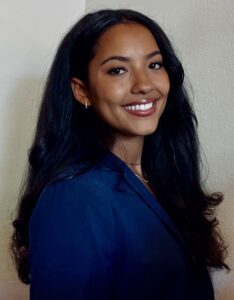
Angelyn Armistead drafted motions and researched case law to support public defenders in Contra Costa County.
2L Angelyn Armistead
Working with the Contra Costa County Public Defender’s Office this summer, rising second-year law student Angelyn Armistead researched case law, drafted pretrial motions, and visited defendants in jail to provide case updates and support. She said the experience affirmed her longtime dream of becoming a public defender and allowed her to use her legal skills to serve the community where she was raised in Contra Costa County.
“This work is essential to protecting constitutional rights, promoting fairness, and supporting rehabilitation over punishment—the foundation of a just society,” she said. “It’s been incredibly meaningful and has strengthened my commitment to becoming a public defender.”

Isabella Freitas Hicks drafted regulations and analyzed energy policy at the California Energy Commission.
2L Isabella Freitas Hicks
Clerking at the California Energy Commission this summer, Isabella Freitas Hicks helped shape policies critical to California’s clean energy goals. Originally from San Diego and entering her second year at UC Law SF, Hicks worked with the agency’s Regulatory and Advisory Unit, where she drafted regulatory amendments, analyzed federal policy changes, and wrote legal memos on how state legislation impacts energy programs.
“I gained firsthand experience in the energy sector, which is directly aligned with my goal of becoming a land use attorney focused on renewable energy development,” she said.
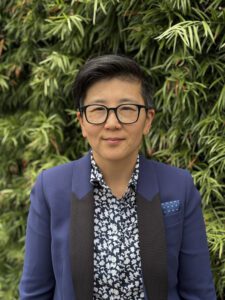
Joyce Liu supported legal work across San Francisco’s city departments.
2L Joyce Liu
Clerking at the San Francisco City Attorney’s Office this summer, Joyce Liu worked in the Government Advice Section and supported attorneys advising a wide range of city departments, including those focused on public health, law enforcement, and the arts. A rising second-year law student from Plainsboro, New Jersey, Liu helped deputy city attorneys assess legal risks, review policy proposals, and ensure government actions aligned with local, state, and federal law.
“The legal work in this office touches so many areas—including public health, municipal duties and liabilities, government transparency, and more—and every issue has real consequences for people living and working in San Francisco,” she said. “There is no better introduction to the practice of law in the real world.”
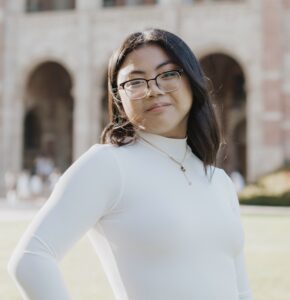
Sonia Liu assisted deputy AGs handling employment-related litigation at the California Department of Justice.
2L Sonia Liu
Second-year law student Sonia Liu, who grew up in Abilene, Texas, spent the summer with the California Department of Justice’s Office of the Attorney General, supporting deputy AGs in defense-side employment litigation. Her work included drafting discovery communications and preparing research memos on topics such as employment discrimination and due process.
“This experience deepened my understanding of workplace rights and government accountability—insights I will carry forward as I pursue a career in labor and employment law,” she said.
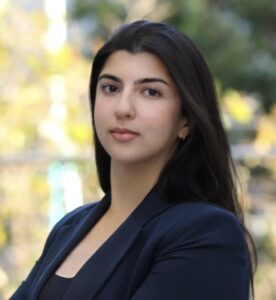
Aiza Mian worked with federal securities regulators in New York City and interviewed a U.S. Supreme Court justice.
3L Aiza Mian
This summer, Aiza Mian interned in the Enforcement Division of the U.S. Securities and Exchange Commission (SEC)’s New York Regional Office through the SEC Scholars Program, where she contributed to high-profile investigations. Her wide range of work included researching novel securities law claims and drafting legal memos. A rising 3L from Queens, New York, she also got the chance to interview U.S. Supreme Court Justice Sonia Sotomayor at the Second Circuit Judicial Conference—a moment made possible through connections she built as a judicial intern.
“One of the most powerful lessons Justice Sotomayor shared was that success should not be measured by proximity to far-off goals, but by the quality of what we do each day,” she said. “I left feeling inspired not just by her brilliance, but by her vulnerability and deep belief in justice through service, reflection, and compassion.”
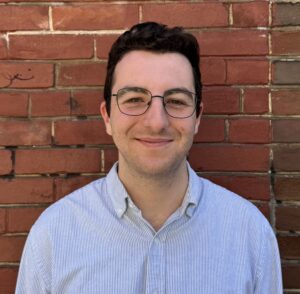
Eli Molloy worked on infrastructure-related legal issues with Los Angeles County Counsel.
2L Eli Molloy
This summer, second-year law student Eli Molloy worked in the Transportation Division of Los Angeles County’s Office of County Counsel, where he supported legal efforts tied to the region’s expanding transit infrastructure. A Portland, Oregon native, Molloy researched legal issues related to public rights of way, labor arbitration, and procurement. He also participated in meetings on free speech policies at Union Station and eminent domain litigation for new light rail developments.
“Every day at this internship has made me more excited to become an attorney,” he said. “It’s given me a clearer picture of the legal careers available in urban planning and development and helped me discover what areas of the law I’m most drawn to.”
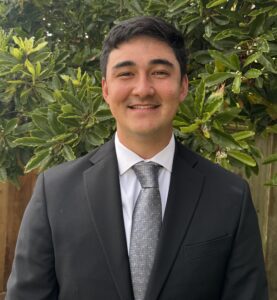
Justin Morgan supported tenants facing housing issues at Open Door Legal.
2L Justin Morgan
Working with the nonprofit Open Door Legal, second-year law student Justin Morgan supported clients facing housing issues. Morgan, who grew up in Fremont, California, co-led intake interviews, drafted briefs for San Francisco rent board hearings, wrote demand letters, and researched local housing law. The experience, he said, sharpened his legal skills and allowed him to make a tangible impact.
“This summer showed me that I have a genuine passion for housing law, and I hope to continue this work in my legal career,” he said.
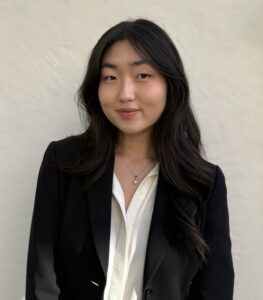
Hailyn Park contributed to due-process decisions for federal workers at the U.S. Merit Systems Protection Board.
2L Hailyn Park
At the U.S. Merit Systems Protection Board, Hailyn Park contributed to decisions that protect the rights of federal employees facing discipline, demotion, or termination. A rising second-year student from Pleasanton, California, Park supported administrative judges at the federal building in Oakland by researching legal issues and drafting decision memos, with a particular focus on whistleblower protection.
“This work showed me how critical due process is in the federal employment system,” she said. “It gave me valuable insight into how the government operates—and confirmed that I want to pursue a career in public service.”
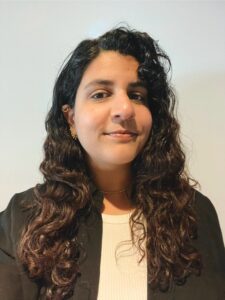
Jasmine Roley supported clients facing eviction, immigration, and housing issues at the AIDS Legal Referral Panel.
2L Jasmin Roley
Jasmin Roley spent her summer supporting clients of the AIDS Legal Referral Panel, a Bay Area nonprofit serving people living with HIV or AIDS. A rising second-year student from Los Altos, she assisted clients with eviction settlements, immigration matters, housing disputes, and end-of-life planning—while also helping connect clients to critical legal and social services.
“This work has deepened my understanding of how to support vulnerable communities across legal systems,” she said. “It’s an experience that will strengthen my ability to advocate for clients.”
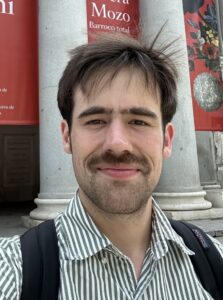
Connor Urschel worked on housing, expungement, and public benefits cases for clients in rural Northern California counties.
3L Connor Urschel
Third-year law student Connor Urschel spent the summer in Ukiah with Legal Services of Northern California (LSNC), where he provided legal assistance to low-income clients in rural Lake and Mendocino Counties. Under the supervision of LSNC attorneys, he worked on housing issues including allegedly unlawful rent increases, habitability violations, and eviction defense. He also contributed to cases involving criminal record expungement and public benefits, all while building core legal skills.
“This internship has been a tremendous opportunity to develop practical lawyering skills, including drafting motions, researching novel legal issues, and communicating effectively with clients,” he said.
His work was made possible by the Summer Fellowship Program, now in its fourth year, which places students with organizations that serve rural and Native American communities in Northern California.
More on public-interest grants
UC Law SF awarded 92 public-interest summer grants in 2025, each providing $5,000 to students interning at nonprofit or government agencies in otherwise unpaid roles. For more than 30 years, the College’s public-interest summer grant program has helped students cover living expenses while gaining hands-on legal experience and supporting under-resourced organizations. Click here to donate and support this program.