ADR Speaker Series - Fall 2026
ADR Speaker Series – Fall 2026
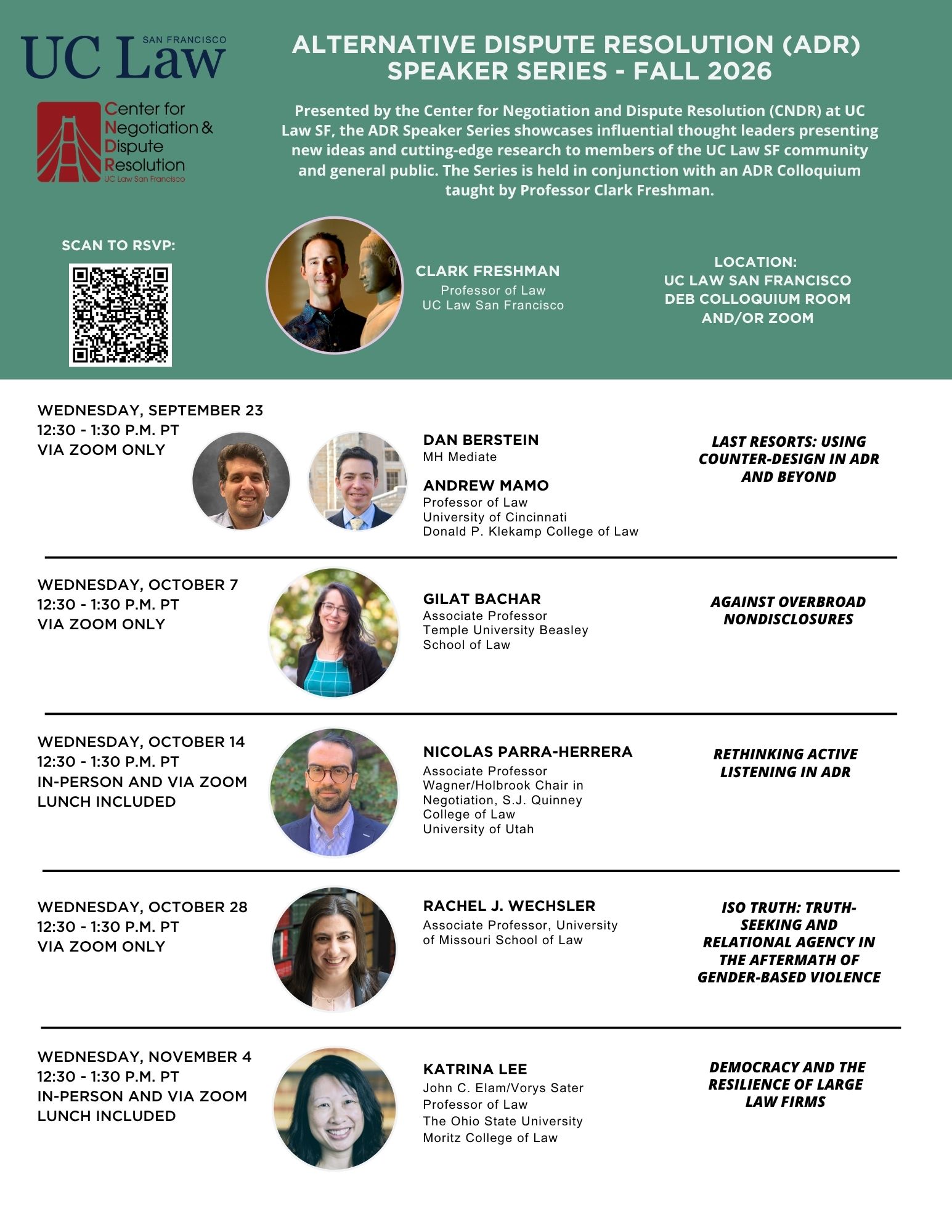 Join the Center for Negotiation and Dispute Resolution (CNDR) at UC Law San Francisco for a public talk series on a variety of dispute resolution topics.
The Fall 2026 ADR Speaker Series will include six influential thought leaders presenting new ideas and cutting edge research to members of the UC Law SF community and the general public. The ADR Speaker Series is held in conjunction with an ADR Colloquium course for students, taught in Fall 2026 by CNDR Professor Clark Freshman.
Talks will be held from 12:30pm to 1:30pm (PST) on selected Wednesdays. Lunch will be provided for the in-person events.
Moderator
Clark Freshman, Professor of Law, Center for Negotiation and Dispute Resolution (CNDR), UC Law San Francisco
Schedule of Speakers
Wednesday, September 23, 2026 from 12:30-1:30pm (PT)
Last Resorts: Using Counter-Design in ADR and Beyond
Dan Berstein, MHS | MH Mediate
Andrew Mamo, Professor of Law, University of Cincinnati, Donald P. Klekamp College of Law
Via Zoom
Wednesday, October 7, 2026 from 12:30-1:30pm (PT)
Against Overbroad Nondisclosures
Gilat Bachar, Associate Professor, Temple University Beasley School of Law
Via Zoom
Wednesday, October 14, 2026 from 12:30-1:30pm (PT)
Rethinking Active Listening in ADR
Nicolas Parra-Herrera, Associate Professor, Wagner/Holbrook Chair in Negotiation, S.J. Quinney College of Law, University of Utah
In Person and Via Zoom
Wednesday, October 28, 2026 from 12:30-1:30pm (PT)
ISO Truth: Truth-Seeking and Relational Agency in the Aftermath of Gender-Based Violence
Rachel J. Wechsler, Associate Professor, University of Missouri School of Law
Via Zoom
Wednesday, November 4 from 12:30-1:30pm (PT)
Democracy and the Resilience of Large Law Firms
Katrina Lee, John C. Elam/Vorys Sater Professor in Law, The Ohio State University Moritz College of Law
In Person and Via Zoom
Speakers
 Clark Freshman
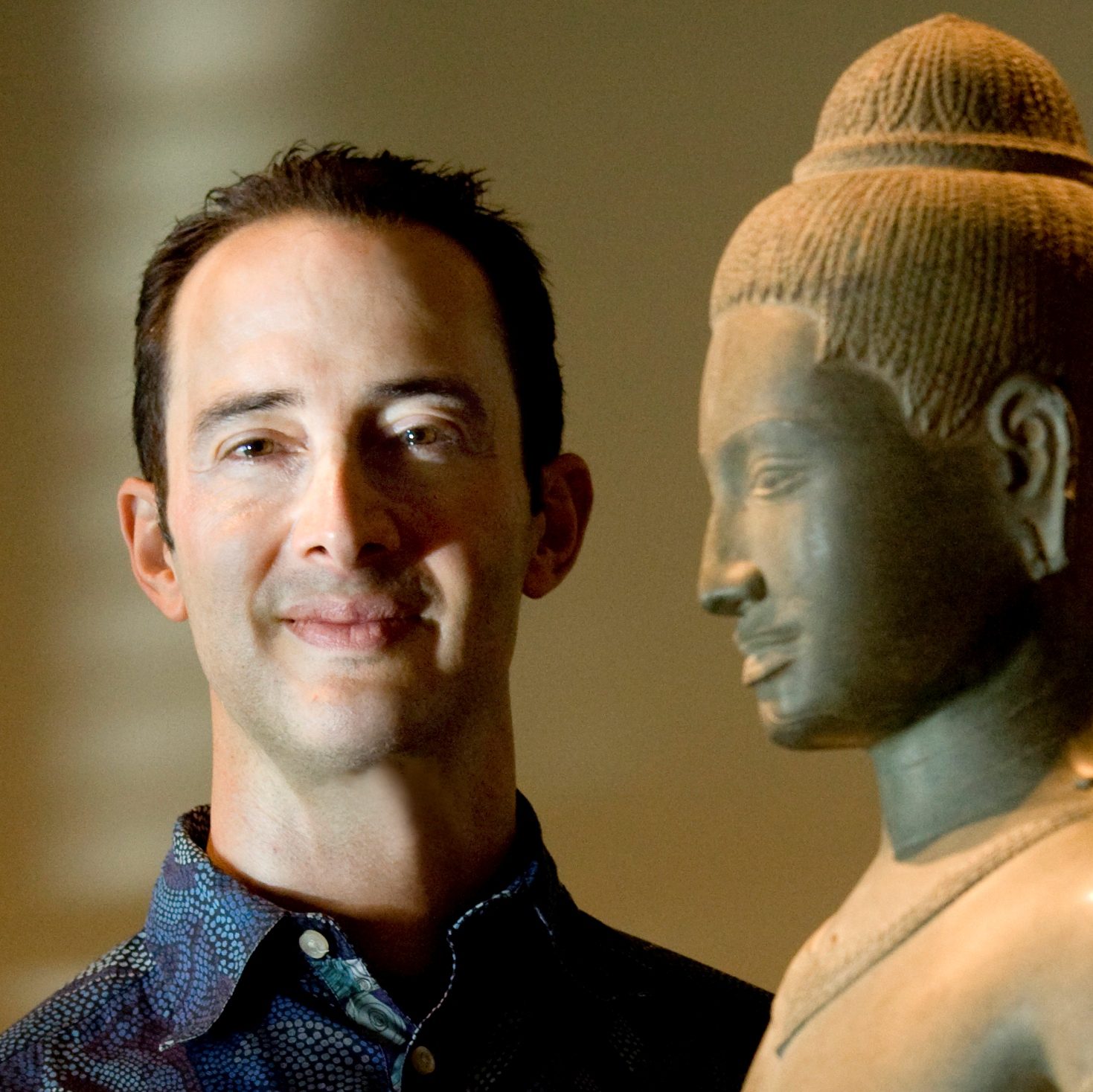
Clark Freshman is a tenured professor of law at University of California College of Law, San Francisco.
Professor Clark Freshman was a professor of law at the University of Miami from 1995 until 2007 before joining the UC Law SF faculty in 2007. He received his B.A. from Harvard, where his senior thesis facilitated a pardon in the infamous Leo Frank case, an M.A. from University College, Oxford, where he was a Marshall Scholar, and a J.D. from Stanford Law School. He clerked for Judge William Norris of the Ninth Circuit and practiced appellate and entertainment dispute resolution with Manatt Phelps in Los Angeles for several years. He is also a mediator, negotiation trainer, and expert witness on arbitration. He has been an invited speaker on negotiation at many law schools, including Harvard, Yale, and UCLA. His work has appeared in law reviews at Harvard, Stanford, Cornell, and elsewhere.
Professor Freshman’s scholarship and teaching focuses primarily on dispute resolution, including law and psychology, the effect of emotion on dispute resolution, lie detection, and emotional skills. In collaboration with Paul Ekman, the scientific advisor to Fox’s Lie to Me, Professor Freshman trains lawyers and negotiators in lie detection and emotional skills worldwide. Professor Freshman also works with the Center for Contemplative Mind to promote meditation and other contemplative practices among lawyers and law students. His scholarship addresses the relationship between different forms of discrimination in law and social science, including both the role of discrimination in negotiation, proof of discrimination, and ways to prevent negotiation and promote acceptance.
In his spare time, Professor Freshman enjoys all kinds of yoga, weightlifting, meditation, in-line skating, travel, movies and any opportunity to visit the beach or other water with and without his Tibetan terrier, Tara.
 Andrew Mamo
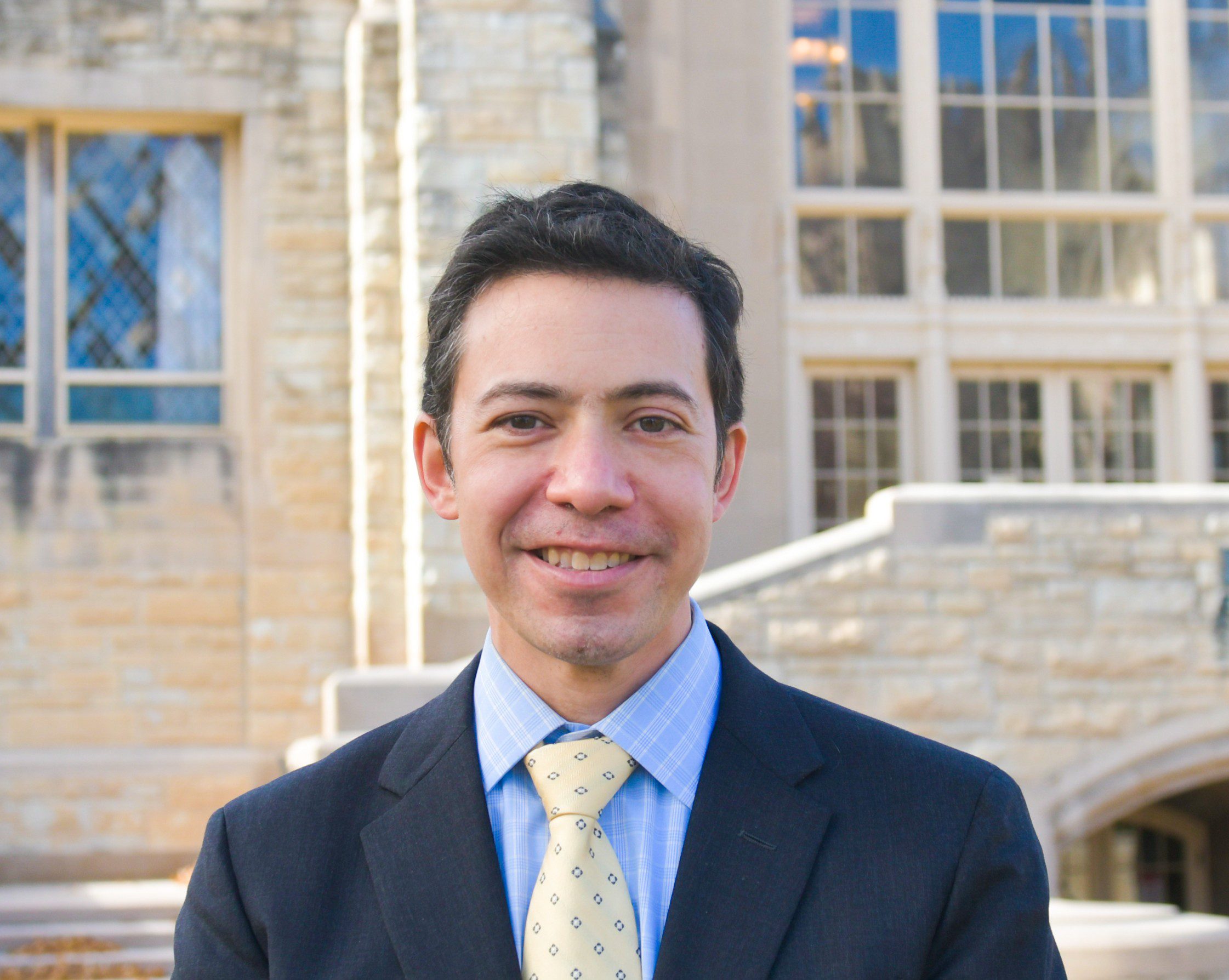
Andrew Mamo is a professor of law at the University of Cincinnati Donald P. Klekamp College of Law. His research concerns the history and theory of dispute resolution and negotiation, with an emphasis on the history of dispute resolution practices, the role of technology in dispute resolution, and the professionalization of dispute resolution. His current projects include a study of the institutionalization of dispute resolution services in the late twentieth century. Mamo received his SB in physics from the Massachusetts Institute of Technology, his PhD in history from the University of California, Berkeley, and his JD from Harvard Law School. After graduating from law school, Mamo clerked for Judge Hisashi Owada and Judge Julia Sebutinde of the International Court of Justice in The Hague. He then worked on cross-border capital markets and project finance transactions at a major international law firm in Singapore. Mamo joined Harvard Law School as Lecturer in Law and a Clinical Instructor at the Harvard Negotiation and Mediation Clinical Program, teaching negotiation and supervising teams of clinical students representing clients on a range of dispute systems design projects. Prior to joining the College of Law, he was an Assistant Professor of Law at Northern Illinois University College of Law.
 Dan Berstein
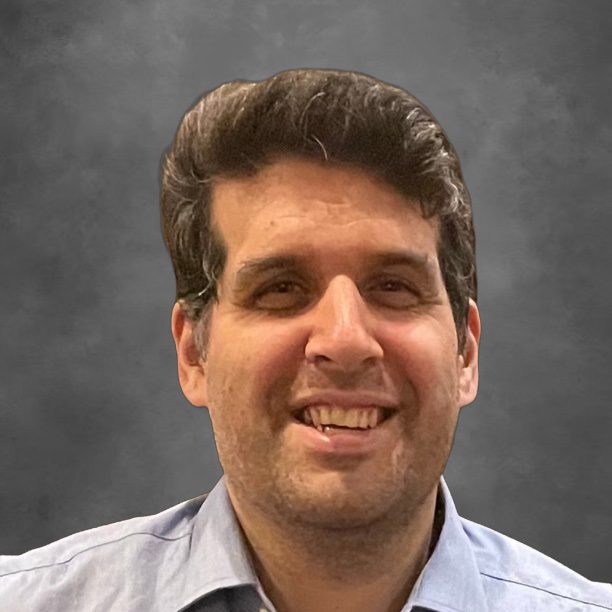
Dan Berstein is a mediator living with bipolar disorder, working to adapt conflict resolution best practices to promote empowering mental health communication and prevent mental illness discrimination. Since 2012, Dan’s company, MH Mediate, has helped professionals, organizations, and government agencies address challenging behaviors without discriminating against people who have mental health conditions. MH Mediate provides free resources to help different stakeholders use conflict resolution tools to prevent mental illness stigma. They are hosted on the Dispute Resolution In Mental Health Initiative (DRMH Initiative) website, originally funded by the AAA-ICDR Foundation and developed in partnership with the CUNY Dispute Resolution Center. MH Mediate’s Mental Health Safe Project (MH Safe) also provides free addendum content to parties affected by discriminatory guidance about mental illness. Its DisabilityRadar.com website empowers people to anonymously report problems. Dan leads the Rights, Ethics, and Voices in Dispute Resolution (REV-DR) project to help parties know their rights and how to respond to misconduct. Mitchell Hamline School of Law’s DRI Press recently published a new edition of Dan’s book, Mental Health and Conflicts: A Handbook for Empowerment, which was originally published by the ABA. Dan holds degrees from the Wharton School and the Johns Hopkins School of Public Health.
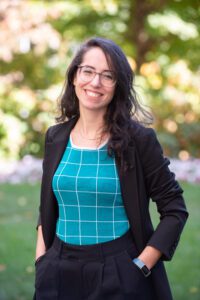 Gilat Bachar
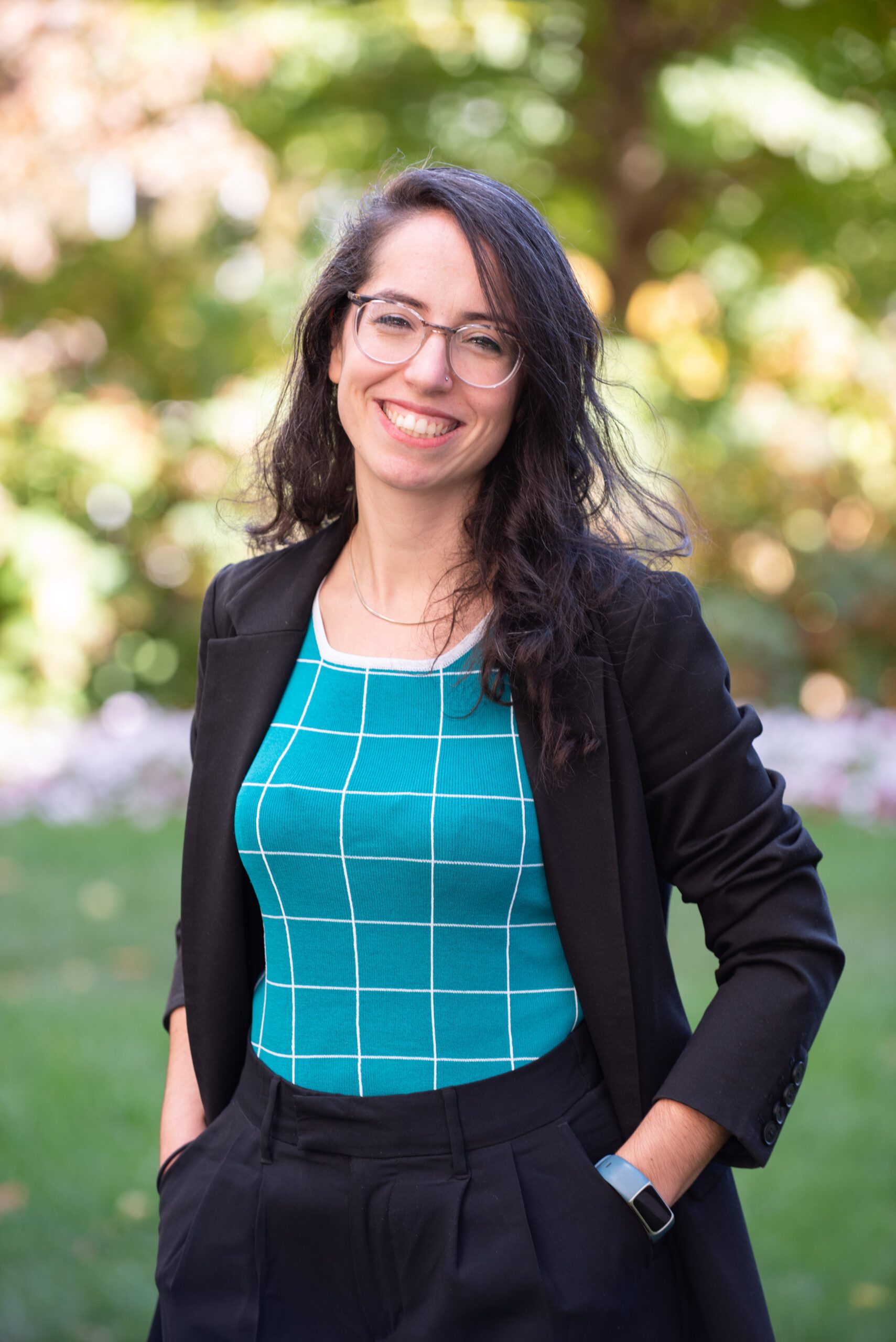
Gilat Juli Bachar is an Associate Professor of Law at Temple University Beasley School of Law, where she teaches and writes in the areas of legal ethics, tort law, dispute resolution, and law and psychology. Her paper “Plaintiffs’ Lawyers’ Disclosure Duties” was the winner of the 2025 Warren E. Burger Prize. Bachar’s research combines theoretical analysis with empirical methods to explore how people perceive and make decisions about civil litigation and settlement, and how civil justice institutions can balance private dispute resolution with the public values of transparency, accountability, and social welfare. Before joining Temple, she was a Visiting Assistant Professor at Villanova School of Law, a research fellow at the Stanford Center on the Legal Profession and a litigation fellow at the Center for Justice & Accountability in San Francisco.
 Nicolas Parra-Herrera
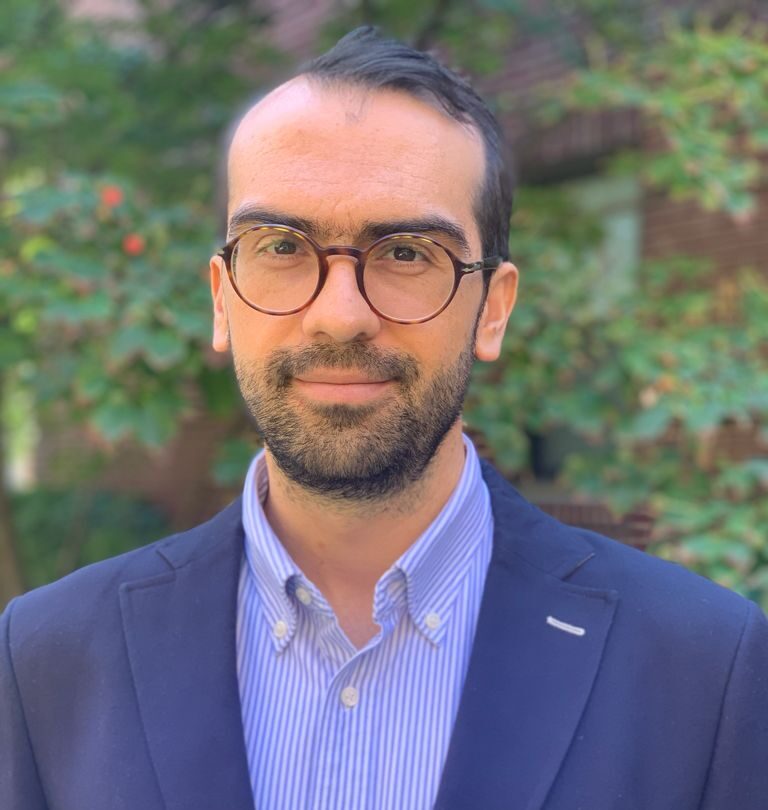
Nicolás Parra-Herrera is an Associate Professor and the inaugural Wagner/Holbrook Chair in Negotiation at the S.J. Quinney College of Law, University of Utah. His research focuses on alternative dispute resolution (ADR), negotiation, professional ethics, and legal theory, with a particular interest in the intellectual history of dispute resolution. He has taught negotiation, mediation, dispute system design, leadership, and related courses at the University of Utah, Harvard Law School, and Universidad de los Andes in Colombia.
Professor Parra-Herrera is a former Byse Fellow and Program on Negotiation (PON) Graduate Fellow at Harvard Law School and has also been a Civil Discourse Graduate Fellow at the Edmond and Lily Safra Center for Ethics and a fellow at Harvard Law School’s Center on the Legal Profession. His recent scholarship includes “Getting to Getting to Yes” (forthcoming in the Harvard Negotiation Law Review) and “A Road Not Taken in Alternative: Mary Parker Follett and the Emergence of Dispute Resolution,” published in the Ohio State Journal on Dispute Resolution. He is the recipient of the New Voices in Dispute Resolution Award from the AALS Section on Dispute Resolution, among other honors. He holds an S.J.D. from Harvard Law School and an M.A. in Philosophy, a B.A. in Philosophy, and an LL.B. from Universidad de los Andes.
 Rachel J. Wechsler
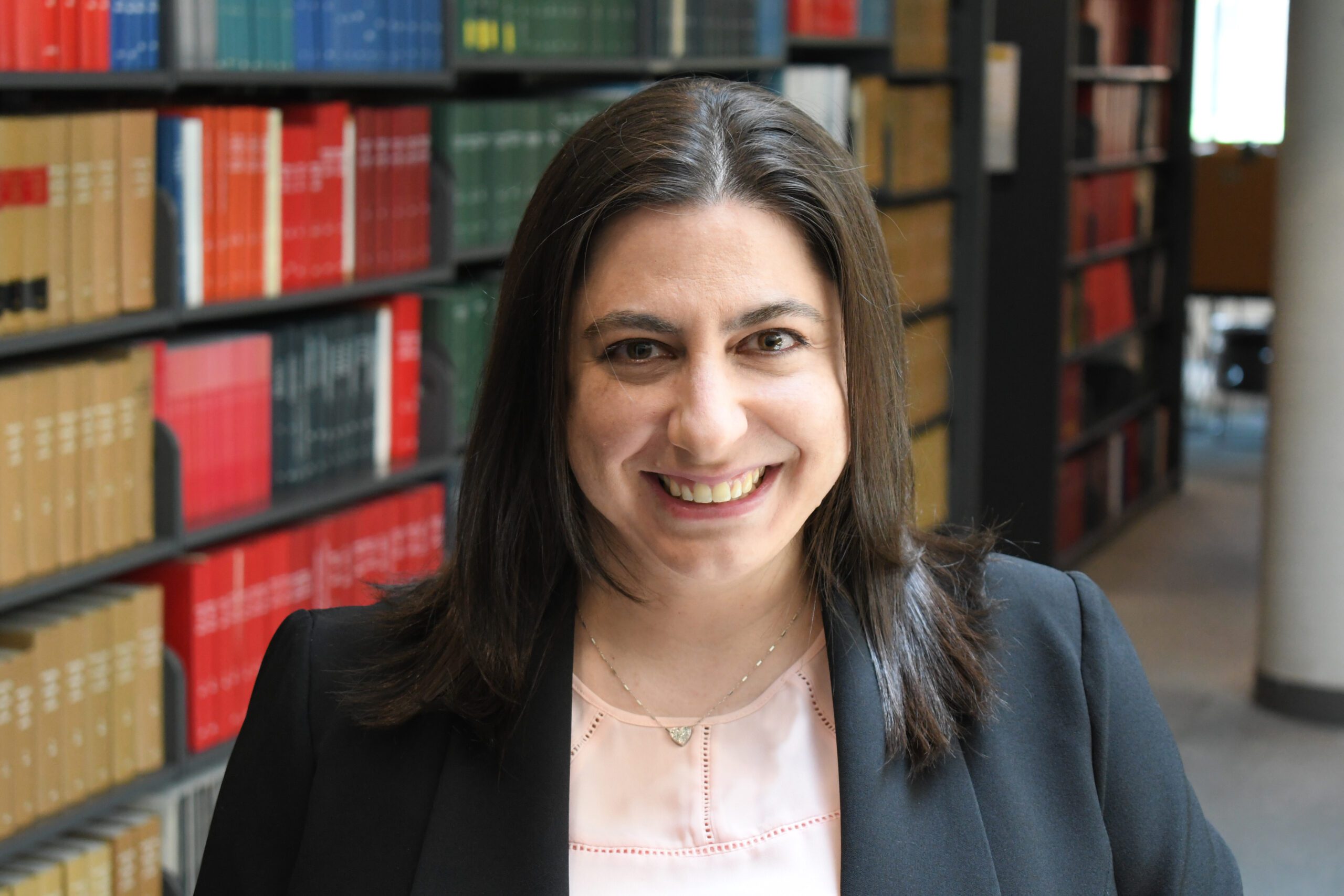
Rachel J. Wechsler is an Associate Professor and the Assistant Director of the Center for the Study of Dispute Resolution at the University of Missouri School of Law. She is also a Faculty Scholar at the University of Missouri’s Middleton Center for Race, Citizenship, and Justice and an affiliate faculty member in the School of Social Work and the Department of Sociology. Professor Wechsler researches gender-based violence at the intersection of Criminal Law, Family Law, Dispute Resolution, and Human Rights.
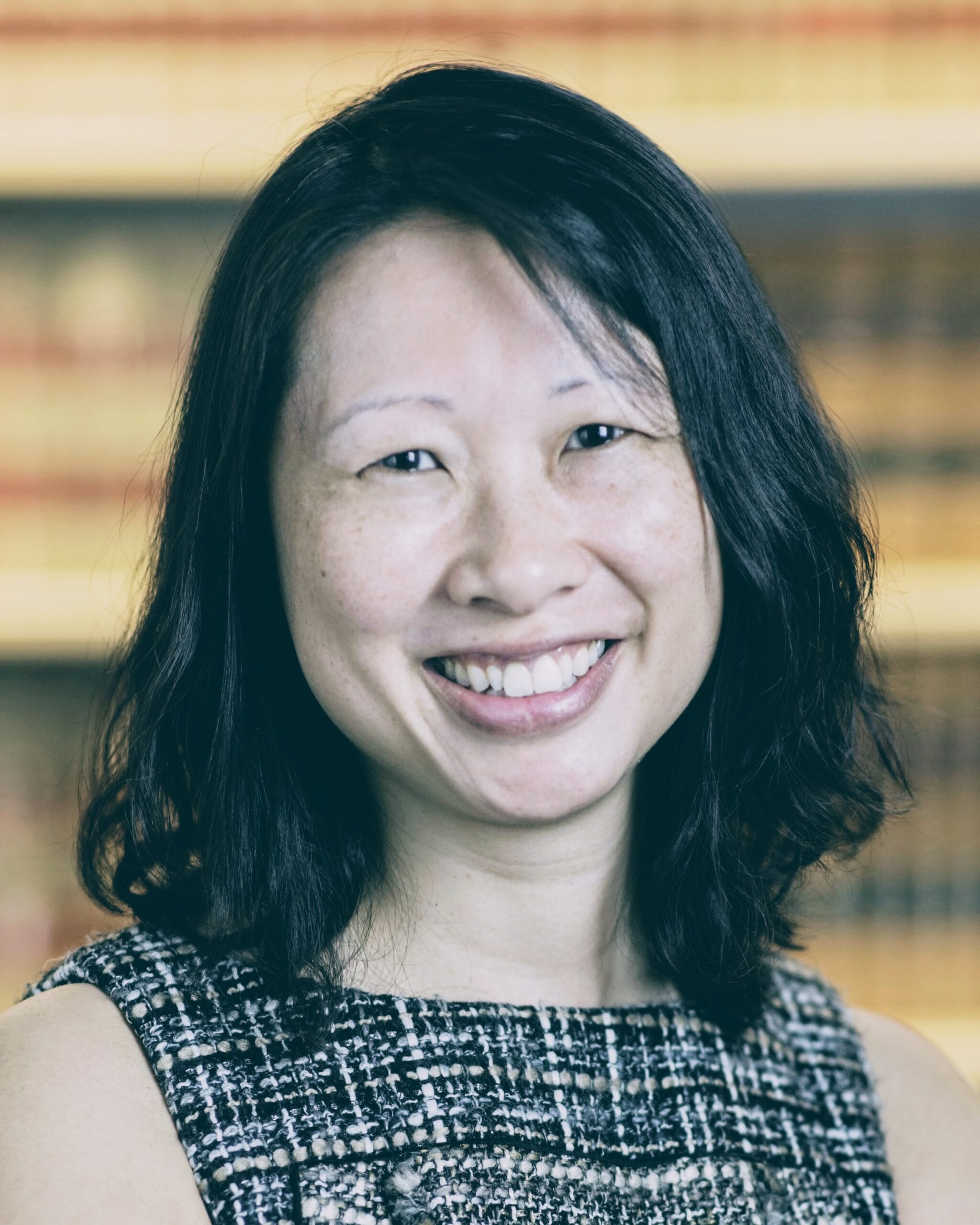 Katrina Lee
Katrina Lee is the John C. Elam/Vorys Sater Professor in Law and Director of the Program on Dispute Resolution at The Ohio State University Moritz College of Law. An award-winning teacher, she was honored with The Ohio State University Alumni Award for Distinguished Teaching in 2024 and is a three-time recipient of the Morgan E. Shipman Outstanding Professor Award. She teaches the Business of Law, Legal Negotiation, and Legal Analysis and Writing. Katrina wrote the first-of-its-kind business of law course book, The Legal Career: Knowing the Business, Thriving in Practice; the third edition released in 2026. Katrina’s work has appeared in law journals including the Denver Law Review, Fordham Law Review, Nevada Law Journal, Ohio State Journal on Dispute Resolution, and Vanderbilt Journal of
Entertainment and Technology Law.
Katrina serves as Chair-Regent of the Association of American Law Schools Alternative Dispute Resolution Section and a member of the American Bar Association Competitions Committee (Negotiations Subcommittee). She was recently selected to serve on the S.D. Ohio Alternative Dispute Resolution Committee (Columbus). Katrina is a board member of the Asian Pacific American Bar Association of Central Ohio and Chair of its Mentorship Committee. Before joining academia, Katrina was a law firm equity partner and enjoyed a career in complex litigation in San Francisco. Katrina is a proud two-time graduate of the University of California at Berkeley.