UC Law SF Hosts Fourth Annual ADR Speaker Series Advancing Cutting-Edge Scholarship
UC Law SF Hosts Fourth Annual ADR Speaker Series Advancing Cutting-Edge Scholarship in Negotiation, Mediation, and Dispute Resolution
Each year, the Center for Negotiation and Dispute Resolution (CNDR) at UC Law San Francisco convenes influential scholars and practitioners to share their latest research and innovations in the field of alternative dispute resolution. The ADR Speaker Series has become one of the law school’s flagship intellectual events—an indispensable forum in which students, faculty, and members of the general public engage directly with leaders shaping the future of negotiation, mediation, and conflict management.
 This year’s Speaker Series was hosted in conjunction with Professor Clark Freshman’s ADR Colloquium. It underscores UC Law SF’s commitment to scholarly excellence in a broad array of ADR contexts, including psychological approaches to mediation, disability rights, racial justice, gender equity, and restorative pedagogy.
Fall 2025 Speaker Highlights
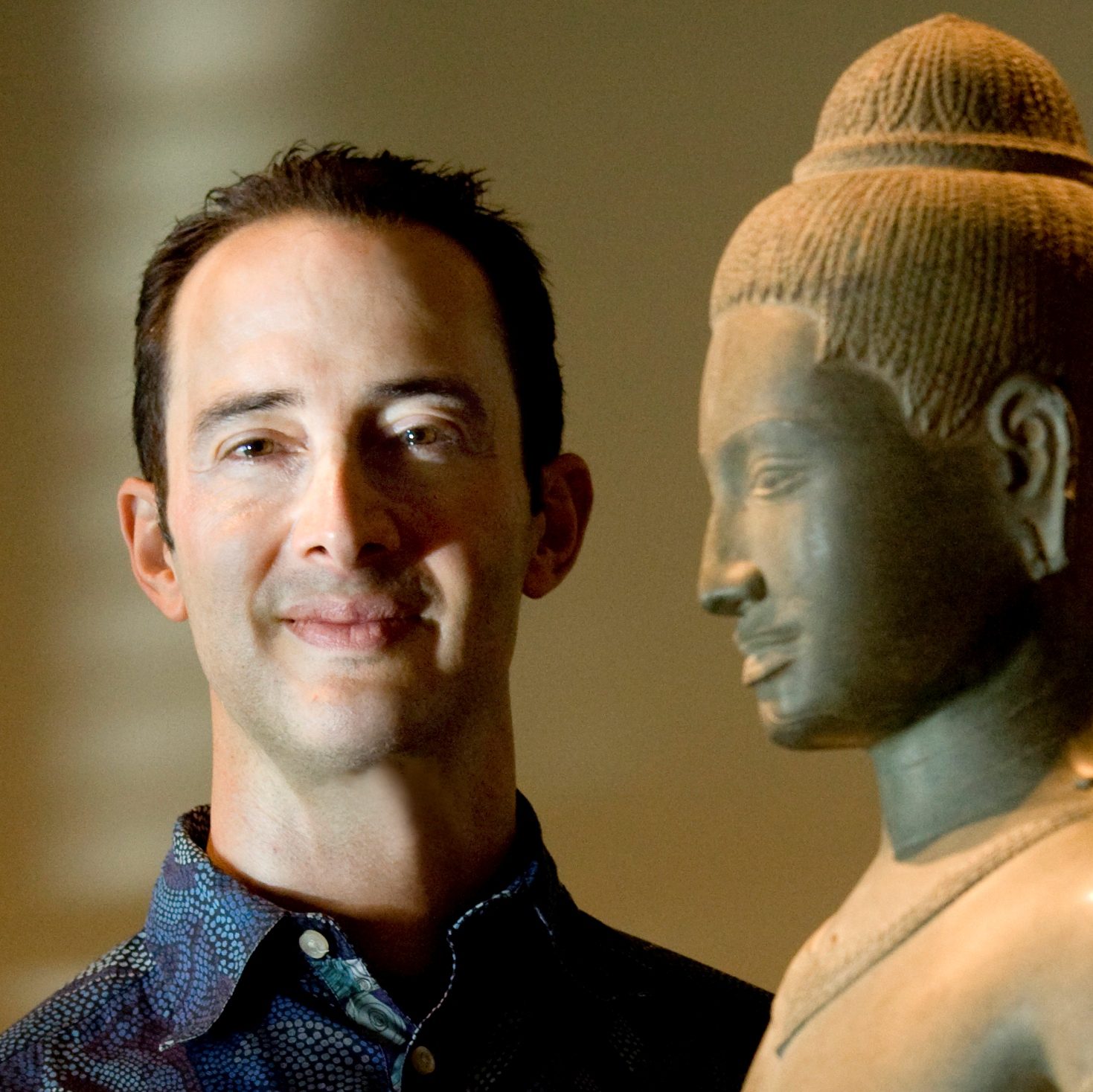
 David Hoffman (Harvard Law School): What Makes People Tick – A Mediator’s Introduction to Internal Family Systems
Hoffman explored how Internal Family Systems (IFS), a leading therapeutic model, can enrich conflict resolution practice by helping mediators understand the multiplicity of “parts” within each party. His presentation offered a sophisticated psychological lens for mediators seeking to facilitate deeper self-reflection and more durable agreements.
 Dan Berstein (MH Mediate): The Practical Realities of Seeking Disability Accommodations
Berstein presented new research on the burdens, backlashes, and conflict-escalation patterns experienced by people seeking disability accommodations. He highlighted innovative mediation approaches that reduce stigma, empower participants, and create more equitable institutional responses.

 Sharon Press (Mitchell Hamline) & Isabelle Gunning (Southwestern): Impartiality or Injustice? Rethinking Neutrality Through a Racial Justice Lens
Press and Gunning critically examined whether traditional conceptions of mediator neutrality inadvertently reproduce structural inequities. Their talk invited scholars and practitioners to reconsider neutrality norms and to better integrate racial justice values into the design and facilitation of mediation processes.
 Laura Kray (UC Berkeley Haas School of Business): Now, Women Do Ask – Updating Beliefs About the Gender Pay Gap
Drawing on new behavioral research, Kray challenged longstanding assumptions about women’s negotiation behavior and the origins of gender-based pay disparities. Her findings underscore the importance of evidence-based negotiation pedagogy and institutional reforms that address systemic—not individual—drivers of inequality.
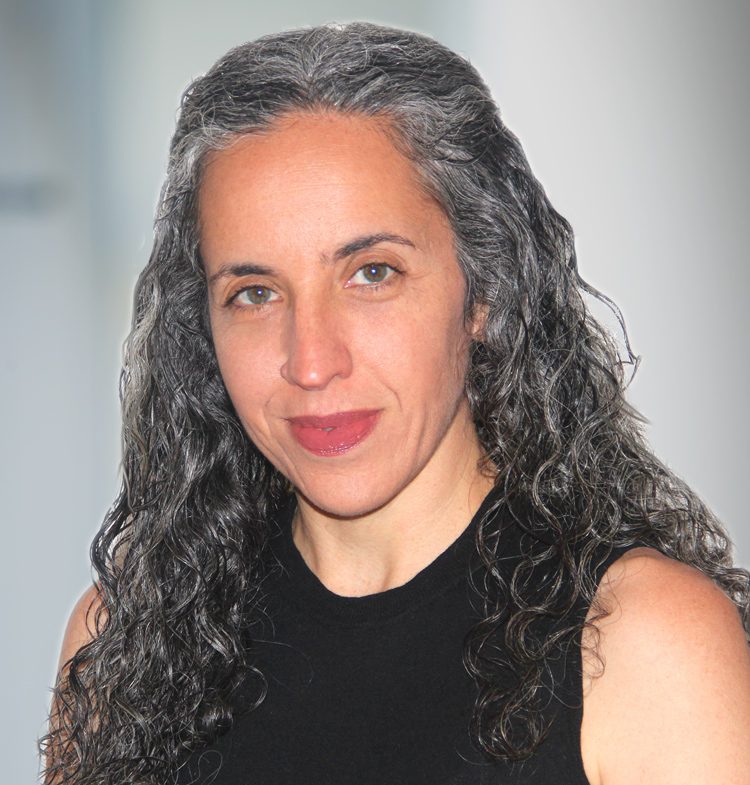
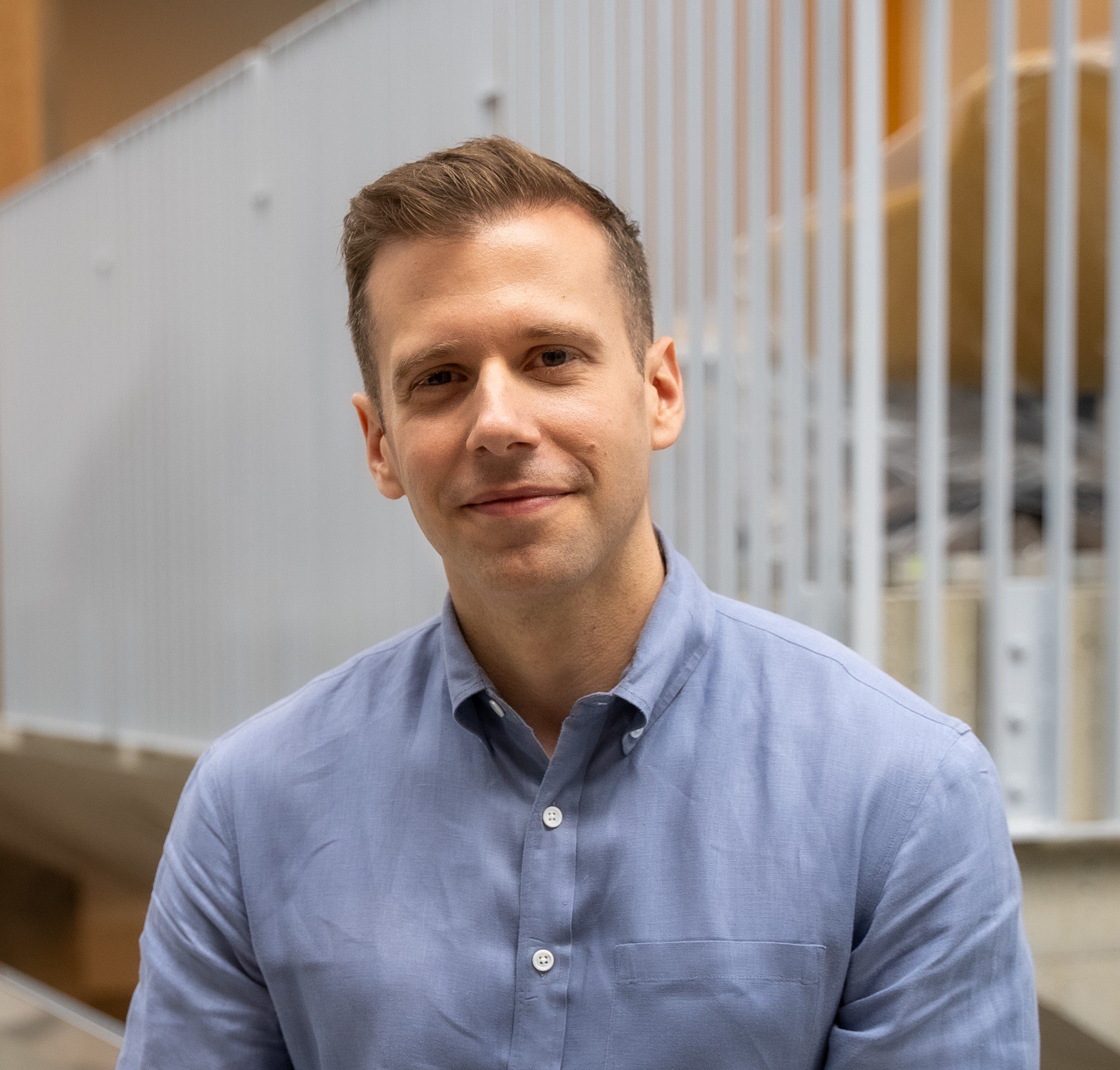 Amy Cohen (Temple University) & Daniel Del Gobbo (University of Windsor): Pedagogies in the Meantime – ADR and Restorative Justice Across North American Legal Education
Cohen and Del Gobbo offered a timely analysis of how ADR and restorative justice are being taught in U.S. and Canadian law schools amid rapid social and institutional change. Their comparative reflections underscored the pedagogical innovations—and challenges—shaping the development of the next generation of dispute resolution curriculum.