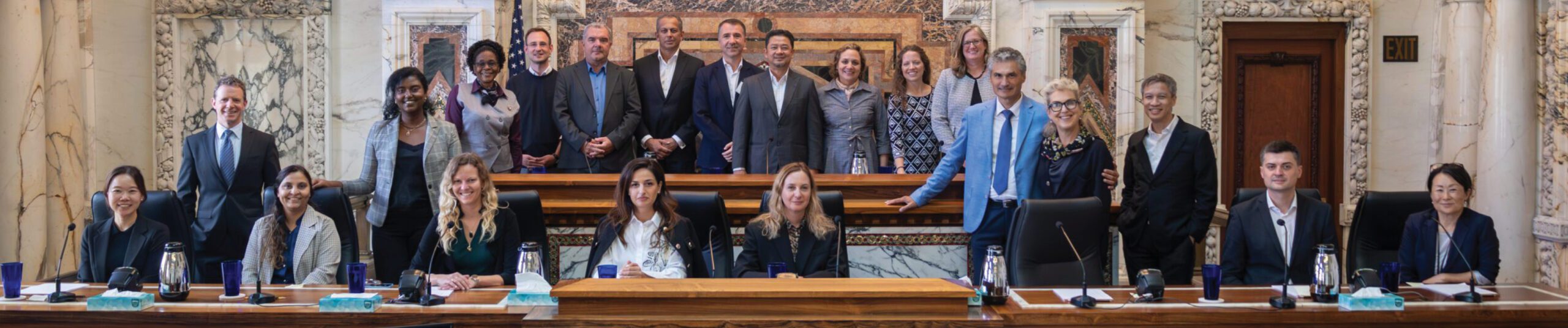
Global Impact
Where research meets reform.
CNDR advises governments around the world, courts, NGOs, and bar associations on the design, reform, and scaling of dispute resolution systems, translating field-leading scholarship into policy, programs, and institutions that work.
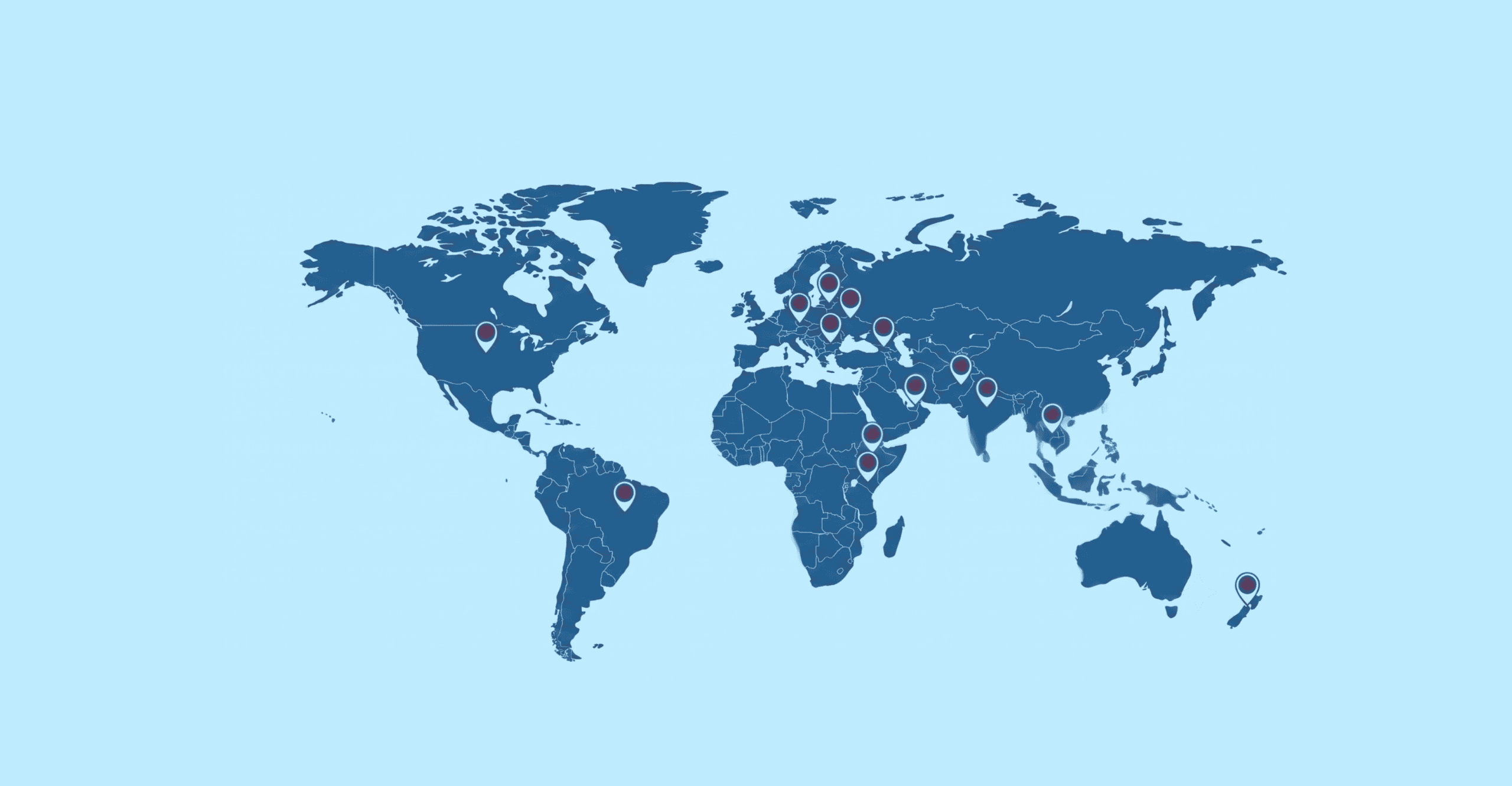
From court ADR system design to international training institutes, CNDR has worked with partners across 14 countries on six continents.
AFRICA: Ethiopia, Kenya
ASIA–PACIFIC: Fiji, India, Pakistan, Thailand
EUROPE: Bulgaria, Czech Republic, Georgia, Romania, Ukraine
LATIN AMERICA & CARIBBEAN: Brazil
MIDDLE EAST & NORTH AFRICA: United Arab Emirates
NORTH AMERICA: United States
How CNDR helps governments build mediation ecosystems
Ways to Partner
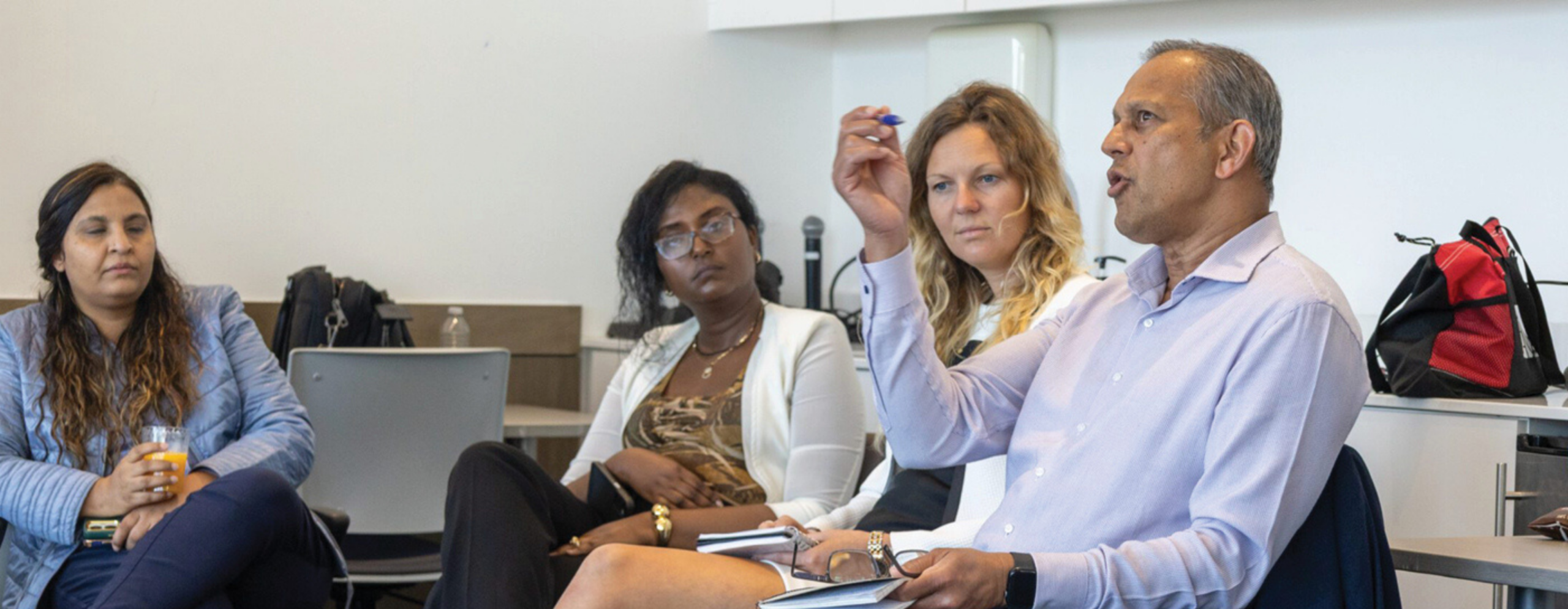
CNDR partners with courts, governments, NGOs, bar associations, and academic institutions in three principal ways.
Custom Institutes and Training
We work with national and regional court systems to design, pilot, and scale ADR programs. From judicial training to tailored courses for future lawyers.
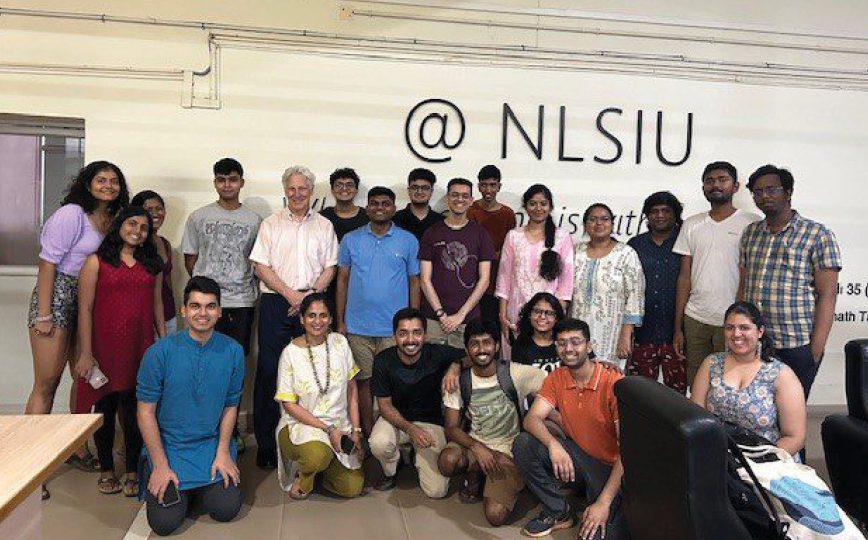
RECENT EXAMPLE: Partnership with India’s National Law School of India University (NLSIU) developing ADR curriculum across Indian law schools.
SEE THE INDIA PARTNERSHIP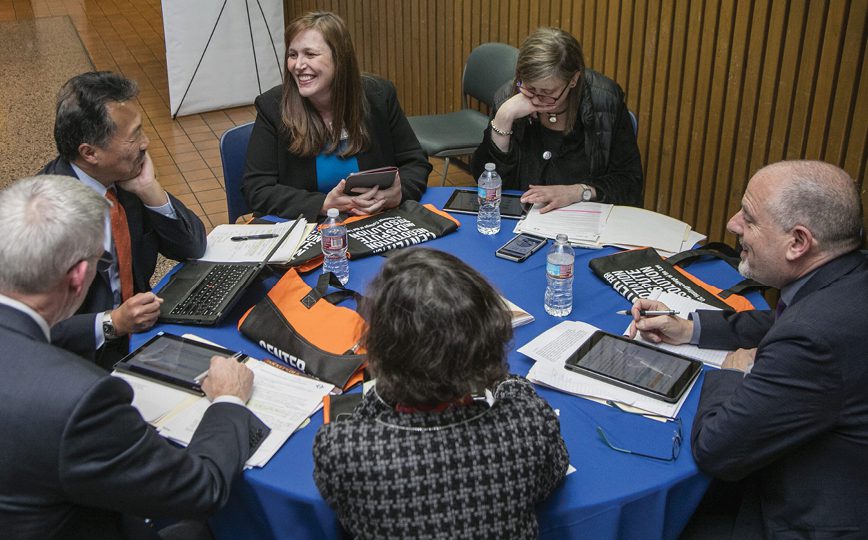
Court ADR System Design
We design intensive trainings for delegations of judges, court administrators, and ADR leaders from around the world. Programs are tailored to a country’s regulatory environment, court structure, and capacity goals.
FLAGSHIP EXAMPLE: IMDLI — convening cohorts from 20+ countries since its inception, with alumni now leading ADR reform efforts across four continents.
LEARN ABOUT IMDLI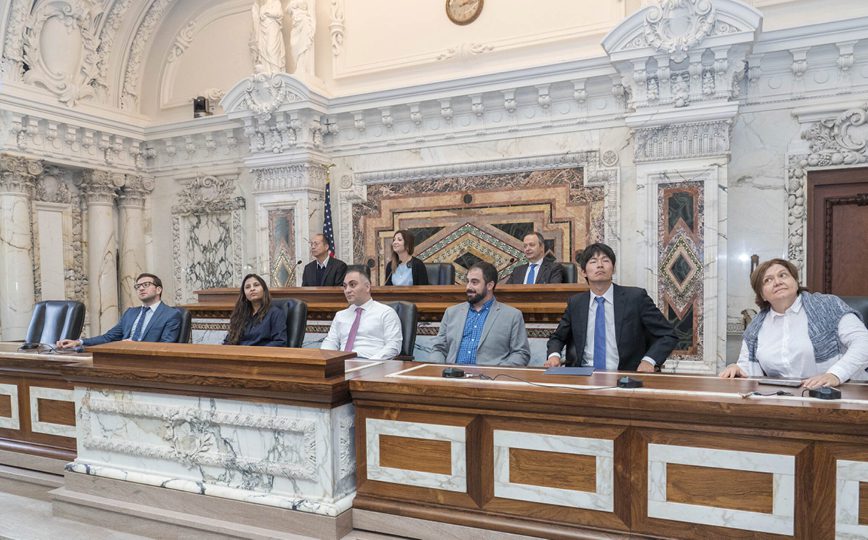
Program & Technical Assistance
Our faculty advise multilateral organizations, government bodies, and NGOs on ADR reform, including drafting enabling statutes, designing mediator certification regimes, and evaluating program outcomes.
PAST PARTNERS INCLUDE: American Bar Association (ABA), USAID, World Bank–affiliated programs, and national bar associations across multiple regions.
SEE SELECTED PROJECTSStart a conversation
If your court, agency, or organization is exploring an ADR initiative, we’d like to hear from you.
EMAIL CNDR@UCLAWSF.EDUGlobal Updates
Stay close to the work
Get CNDR’s latest scholarship, programs, and partnership news delivered to your inbox. Subscribe to the Communiqué.
Contact Us
|
Follow us on Facebook, LinkedIn, and YouTube!
|
|
| Center for Negotiation and Dispute Resolution UC Law San Francisco 198 McAllister Street San Francisco, CA 94102 Email: cndr@uclawsf.edu Phone: (415) 581-8941 |
Research & Scholarship | Student Academics |